





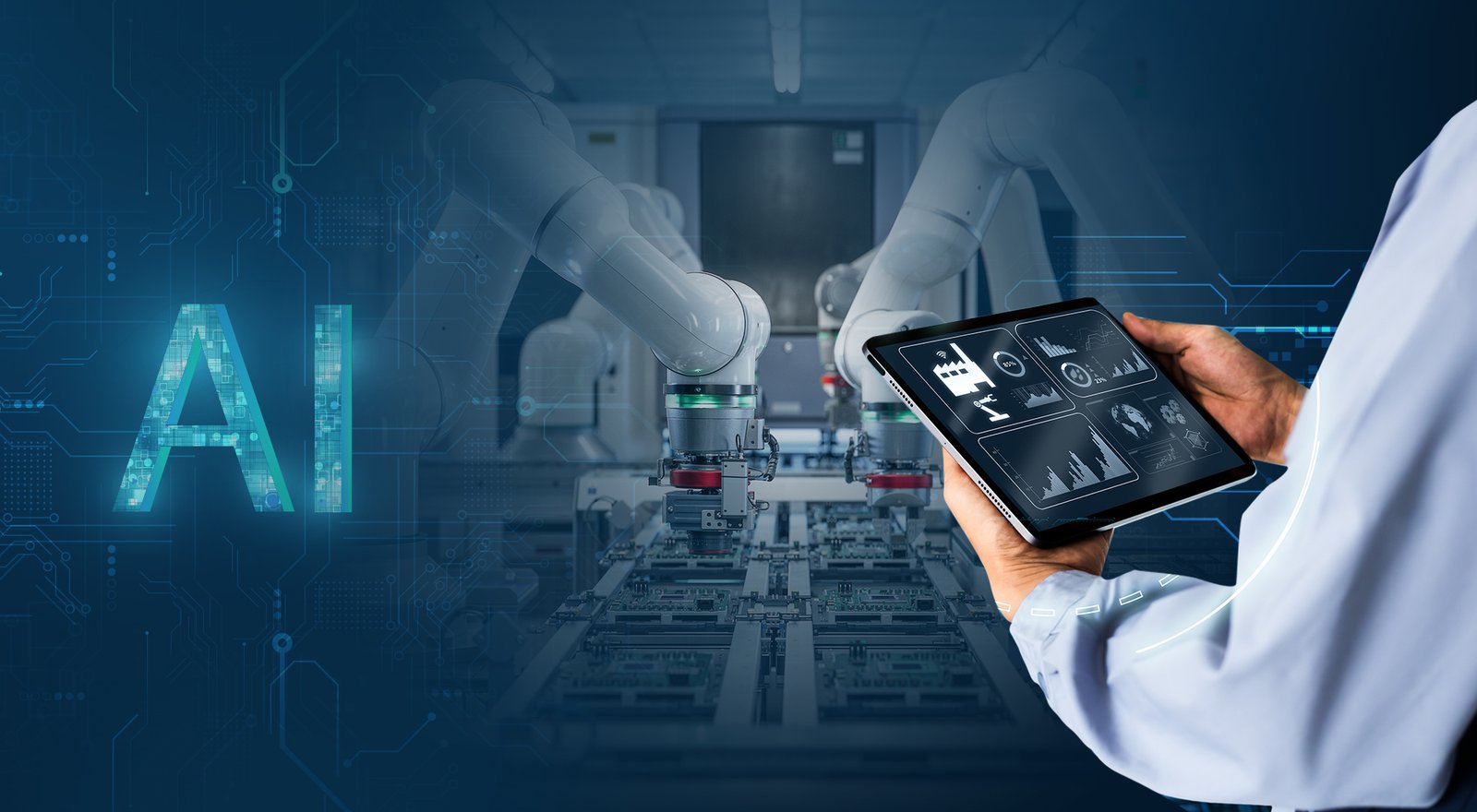
Artificial Intelligence and robotics are merging faster than ever, creating a new generation of machines that are not just automated—but intelligent. From factories to homes, AI-driven robots are beginning to transform how work gets done, making systems smarter, faster, and more adaptable.
Smarter Robots With Real-Time Decision Making
Traditional robots were programmed to perform fixed tasks. Today, AI-powered robots can analyze data, learn from their environment, and make decisions in real time. This allows them to adapt to changing conditions without constant human intervention.
In manufacturing, these robots can detect defects, adjust production lines instantly, and even predict maintenance needs before breakdowns occur. This reduces downtime and improves efficiency significantly.
Rise of Human-Like Robotics
Recent developments in robotics are focused on making machines more human-like in movement and interaction. Companies are building robots that can walk, talk, and assist in daily activities.
These robots are now being used in healthcare to support elderly patients, assist doctors during procedures, and provide companionship. Their ability to understand speech and respond intelligently is making them more useful in real-world environments.
AI Robots in Everyday Life
AI robotics is no longer limited to industries. Smart home robots are becoming more common, helping with cleaning, security, and even personal assistance.
Autonomous delivery robots and drones are also being tested and deployed in cities, aiming to improve logistics and reduce human workload. As AI continues to improve, these systems are expected to become more reliable and widely adopted.
Challenges and Ethical Considerations
Despite rapid progress, AI robotics comes with challenges. Concerns around job displacement, data privacy, and ethical use are growing. There is also a need for clear regulations to ensure these technologies are used responsibly.
Developers are working on making AI systems more transparent and safe, but balancing innovation with ethics remains a key issue.
The Road Ahead
The future of AI in robotics looks promising. With continuous advancements in machine learning, sensors, and computing power, robots will become even more capable and accessible.
In the coming years, we can expect robots to play a bigger role not just in industries, but also in daily human life—enhancing productivity, safety, and convenience.


