








ByteDance dropped Seedance 2.0 over the weekend, and the Seedance 2.0 AI video generator is already turning heads. The company behind TikTok quietly released its latest AI video tool without much fanfare, but the results flooding social media speak for themselves. People are already comparing it to OpenAI’s Sora 2 and Google’s Veo 3.1.
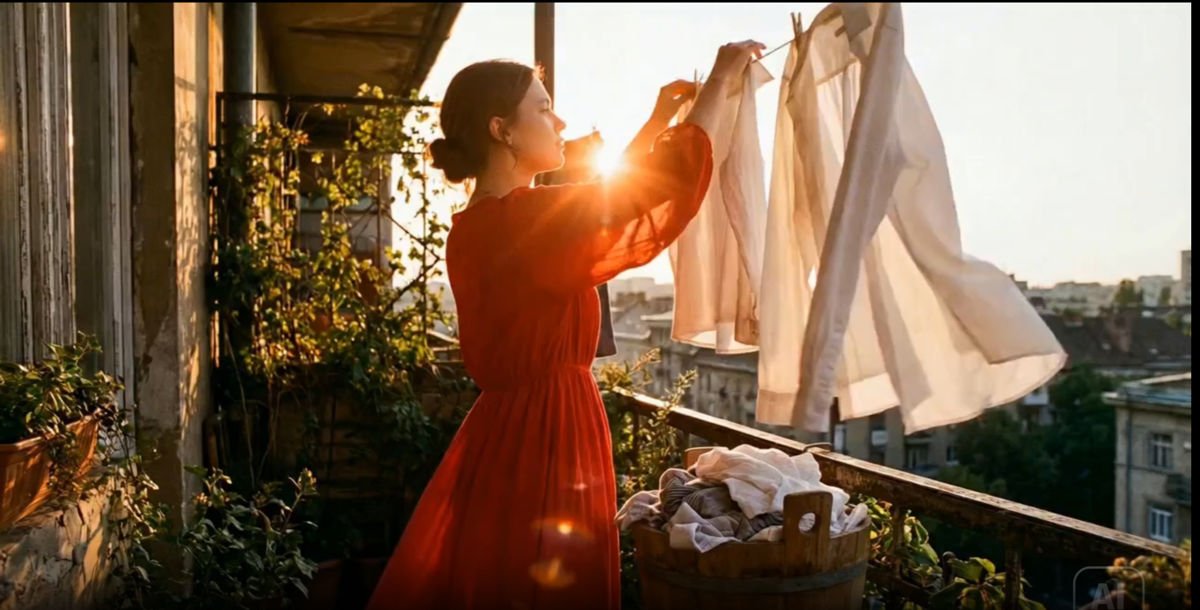
The Seedance 2.0 AI video generator creates 15-second clips from text, images, audio, or video inputs. What sets it apart is quality. Early users are praising its physical accuracy, character consistency, and properly synced audio. The tool generates dialogue, ambient sounds, and sound effects that actually match what’s happening on screen.
According to ByteDance, Seedance 2.0 achieves a 90% usable output rate on the first try. That’s a massive jump from previous AI video tools that typically deliver around 20% usable results. The difference comes down to architecture. ByteDance built Seedance 2.0 with a dual-branch system that generates video and audio simultaneously instead of adding sound after the fact.
What makes this different
Seedance 2.0 supports text-to-video and image-to-video generation at 1080p resolution. It can handle up to nine images, three video clips, and three audio files as reference inputs. You can upload character poses, action sequences, and audio samples, then let the AI build a scene around them.
The tool also understands cinematic language. Describe camera movements and shot transitions, and Seedance 2.0 will generate a multi-shot sequence that looks semi-professional. One viral clip showed someone uploading static photos and getting back a photorealistic digital clone, though ByteDance quickly banned face uploads after that went viral.
Right now, the Seedance 2.0 AI video generator is available through ByteDance’s Dreamina platform and Doubao in China. It’s already integrated into CapCut, but there’s no word on TikTok integration given the app’s ownership situation in the US.
The reaction from creatives has been mixed. Some see massive disruption coming to film and advertising. Others worry about deepfakes and copyright, since early samples already show celebrities being used without permission. This comes just months after ByteDance’s OmniHuman-1 raised similar concerns about hyper-realistic AI video.