



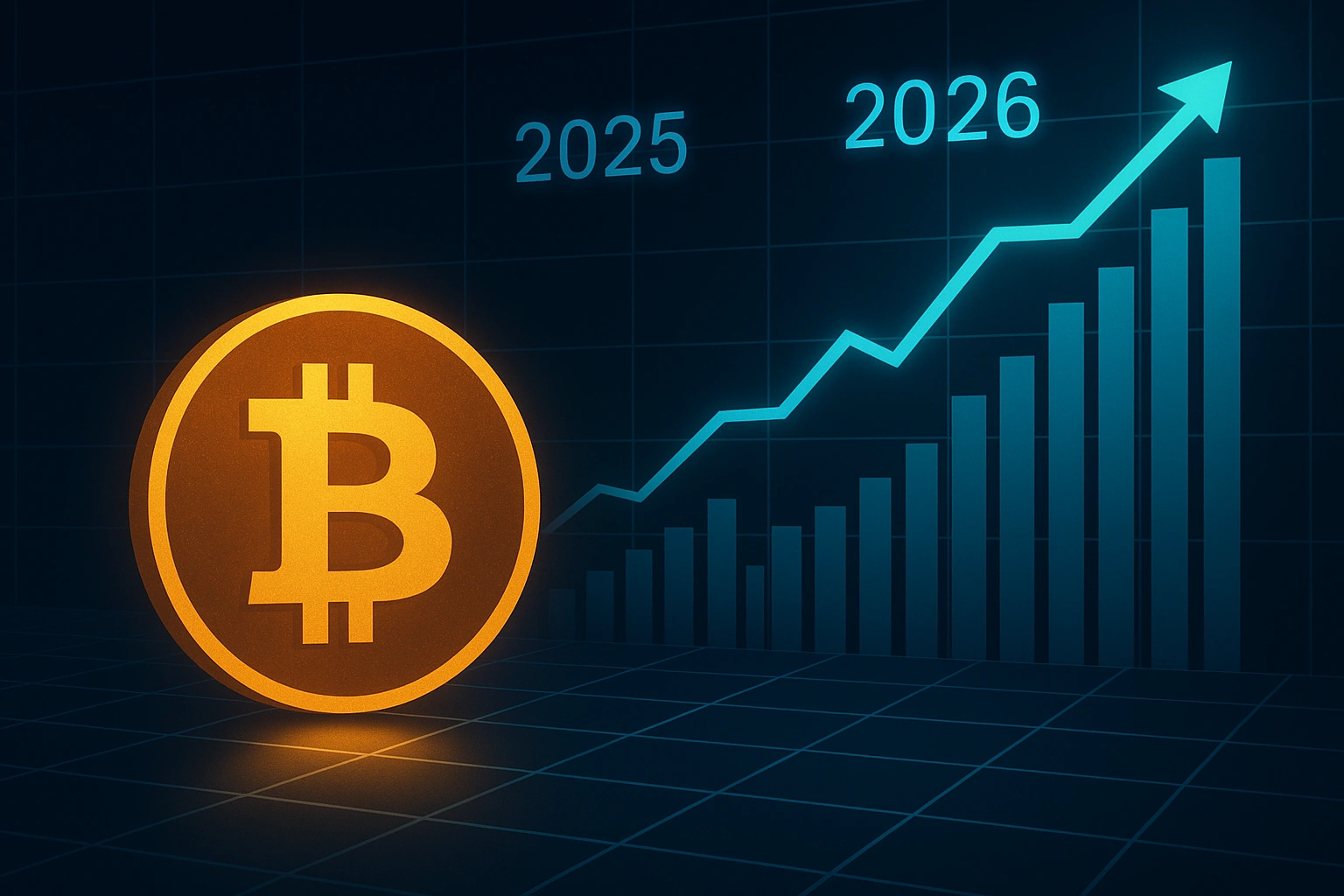
Cryptocurrency continues to evolve rapidly in 2026, shaping how individuals, institutions, and governments interact with digital assets. Despite volatility in prices, adoption is increasing worldwide, with new use cases emerging across finance, technology, and commerce.
Growing Adoption of Digital Assets
Cryptocurrencies like Bitcoin and Ethereum remain dominant, but interest has expanded into DeFi (Decentralized Finance), stablecoins, and blockchain-based payments. More businesses are accepting crypto payments, while financial platforms offer crypto trading, custody, and lending services. This trend reflects broader confidence in digital currencies as alternative financial instruments.
Institutional Interest and Investment
Institutions are playing an increasingly active role in the crypto market. Asset managers and hedge funds are allocating capital toward Bitcoin and Ethereum ETFs, while companies are exploring tokenization of real-world assets. Institutional involvement adds liquidity and legitimacy, though it also exposes markets to macroeconomic trends.
Regulatory Landscape
Regulation remains one of the biggest factors shaping crypto’s future. Governments worldwide are advancing frameworks to protect investors, prevent fraud, and integrate digital assets into existing financial systems. Key regulatory priorities in 2026 include:
- Clear definitions of digital assets and securities
- Anti-money-laundering (AML) and know-your-customer (KYC) standards
- Guidelines for decentralized exchanges and DeFi platforms
Balanced regulation can increase investor confidence without stifling innovation, but striking the right balance remains a challenge for policymakers.
Innovation in Decentralized Finance
DeFi continues to disrupt traditional financial services by offering decentralized lending, borrowing, and yield-earning opportunities without intermediaries. Platforms built on smart contracts allow users to earn interest, borrow against crypto holdings, and participate in liquidity pools.
However, risks such as smart contract vulnerabilities and market instability highlight the need for improved security audits and risk management practices.
NFTs and the Metaverse
Non-fungible tokens (NFTs) have matured beyond digital art. In 2026, NFTs are increasingly used for:
- Digital identity and authentication
- Virtual real estate within metaverse ecosystems
- Music and creator monetization
- Utility tokens tied to real-world services
Brands and creators are leveraging NFTs to build communities and offer exclusive experiences, driving engagement and new business models.
Challenges Ahead
Despite positive trends, the crypto space still faces challenges:
- Market volatility can deter risk-averse investors
- Security threats such as hacks and scams persist
- Environmental concerns around proof-of-work mining remain
- Regulatory uncertainty in some regions slows adoption
Addressing these challenges will be key to long-term growth and mainstream acceptance.
Looking Forward
Cryptocurrency in 2026 stands at an inflection point. With greater institutional adoption, clearer regulatory frameworks, and expanding use cases in DeFi and NFTs, digital assets are gradually becoming integrated into global finance. Continued innovation, along with responsible governance, will determine how the ecosystem evolves in the years ahead.