



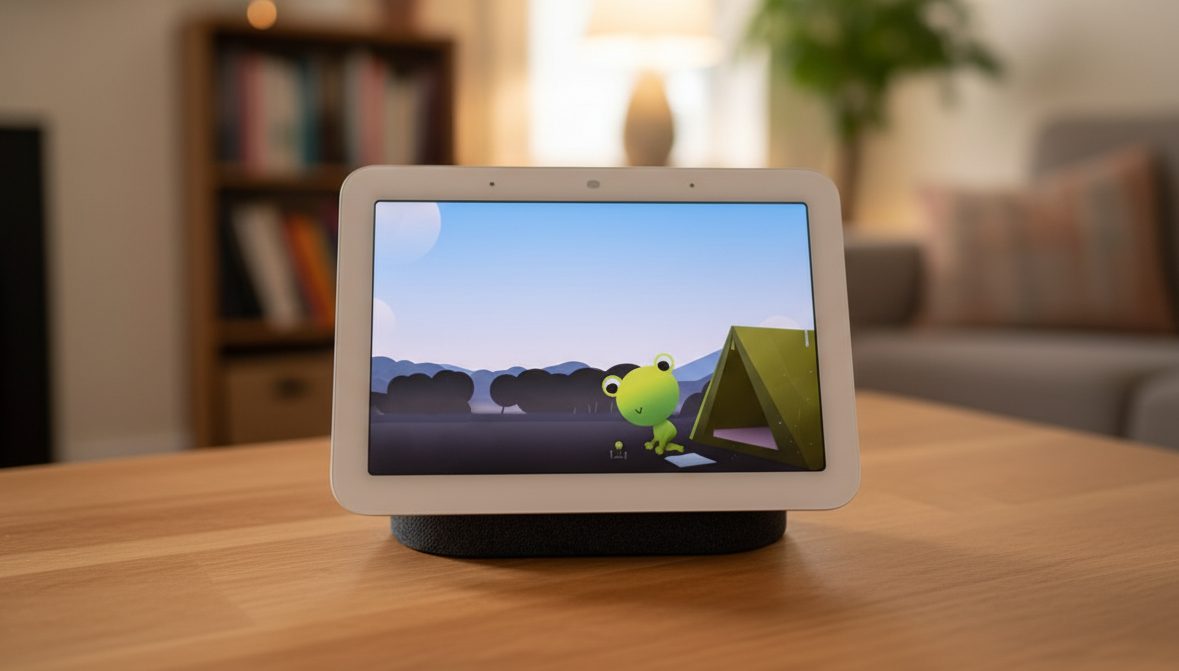
Google has announced that it’s rolling out early access to its new Model Context Protocol (MCP) for Google Home, which allows AI agents to securely connect with and control smart home ecosystems. Available to Google Home Premium Advanced users in the US, the company says that the tool bridges the gap between digital assistants and physical environments.
By bringing support for MCP-compatible agents like Claude, Hermes, OpenClaw, and Google Antigravity, the new system allows AI to work with real-world physical context. According to Google, testers have used the protocol for different tasks like using cross-camera analysis to summarize multi-room footage, track device state history like laundry cycles or lighting duration, and even build personalized smart home dashboards using everyday language. Agents can even interact via Google Home speakers when completing tasks.
While the platform supports devices ranging from Nest doorbells and thermostats to Matter-compatible light bulbs, it does include built-in safety protocols – for one, rate limits are enforced, and sensitive physical actions like unlocking doors are prohibited to protect user privacy and security.
To set up the new feature, users will need to configure a Google Cloud project and provide the MCP credentials to an agent, with full guides available through the Google Home Developer Center.