








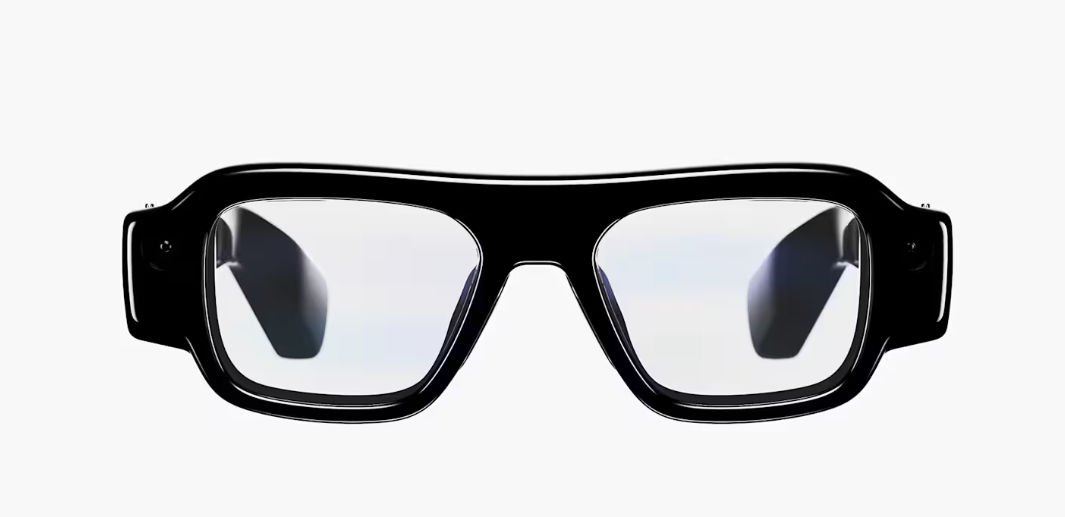
Remember when Snap launched its first Spectacles back in 2016 and the tech world collectively said “cute gimmick”? They were camera glasses sold out of vending machines, and most people treated them like a novelty. Then Meta came along, partnered with Ray-Ban, and turned the same basic idea into one of the hottest wearables on the market. Snap invented the category. Meta made it mainstream. Now, Snap Specs AR glasses are here. Snap isn’t trying to compete with the Ray-Bans. It’s playing a completely different game.
Specs are Snap’s first consumer AR glasses, and they’re available now for $2,195. That price will make most people pause, but what you’re getting isn’t a pair of camera glasses with a speaker. Specs are a fully standalone AR computer (no phone, no tethered laptop) that overlays digital visuals directly onto the real world through Snap’s own LCoS display tech. There are two sizes (47mm and 52mm), a 51-degree field of view, support for prescription lenses, and about four hours of mixed-use battery life.
What You’re Actually Getting
Snap OS runs the show, with AI integrations from both OpenAI and Google Gemini baked in for developers to build on. Hundreds of Lenses (Snap’s term for apps) are already available, covering things like real-time translation, navigation overlays, and interactive experiences. The company has spent over $3 billion developing AR glasses over the past 11 years, and Specs are where that investment finally meets a public price tag.
What makes the timing interesting is what’s happening around Snap. Apple spent years trying to build AR glasses, killed the Mac-tethered version in early 2025, and has since pivoted toward simpler AI glasses closer to what Meta already sells. Meta’s own true AR glasses aren’t expected until 2027. Snap Specs AR glasses are shipping this year in the US and UK.
For those unfamiliar with how this market has unfolded, the general direction has been away from AR complexity and toward lighter, cheaper, camera-and-speaker wearables. Google’s 2026 glasses strategy reflects that same thinking. Snap is going the other direction entirely, betting $2,195 that enough people are ready to come with them.