









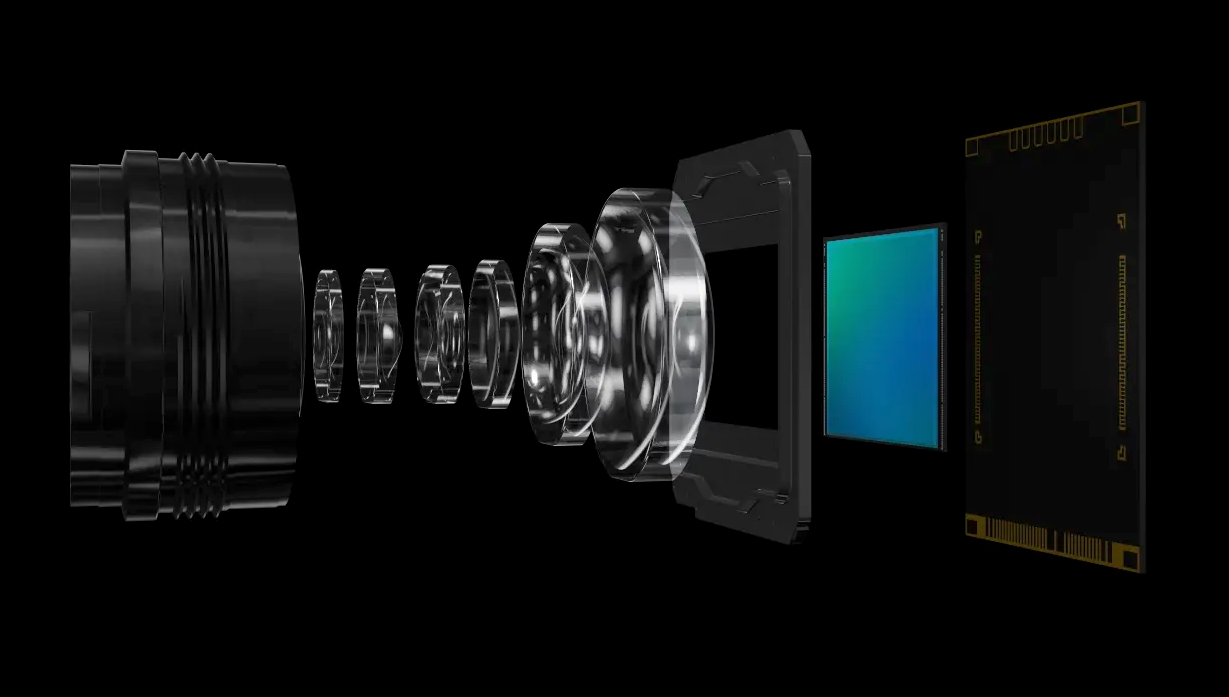
While Sony’s Xperia smartphone line isn’t exactly stealing the spotlight from competing Android brands at the moment, the Japanese tech giant’s strengths lie within its home entertainment, gaming, and camera divisions. Speaking of the latter, Sony recently announced the upcoming release of the LYTIA L910, a new 50-megapixel stacked CMOS image sensor.
Scheduled for mass-production shipment in summer 2026, Sony says that the 1/1.28-type sensor is the first in the LYTIA lineup to feature a Lateral Overflow Integration Capacitor (LOFIC) structure, which expands the sensor’s capacity to handle bright light without blowing out highlights.
By combining the LOFIC structure with a single-exposure Triple Conversion Gain-HDR technology, the sensor can achieve an impressive 100 dB high dynamic range. As captures details from deep shadows to bright highlights in a single exposure (instead of stitching multiple frames together), the L910 drastically reduces factors like motion blur, ghosting, and light flickering often caused by traditional multi-exposure HDR methods.
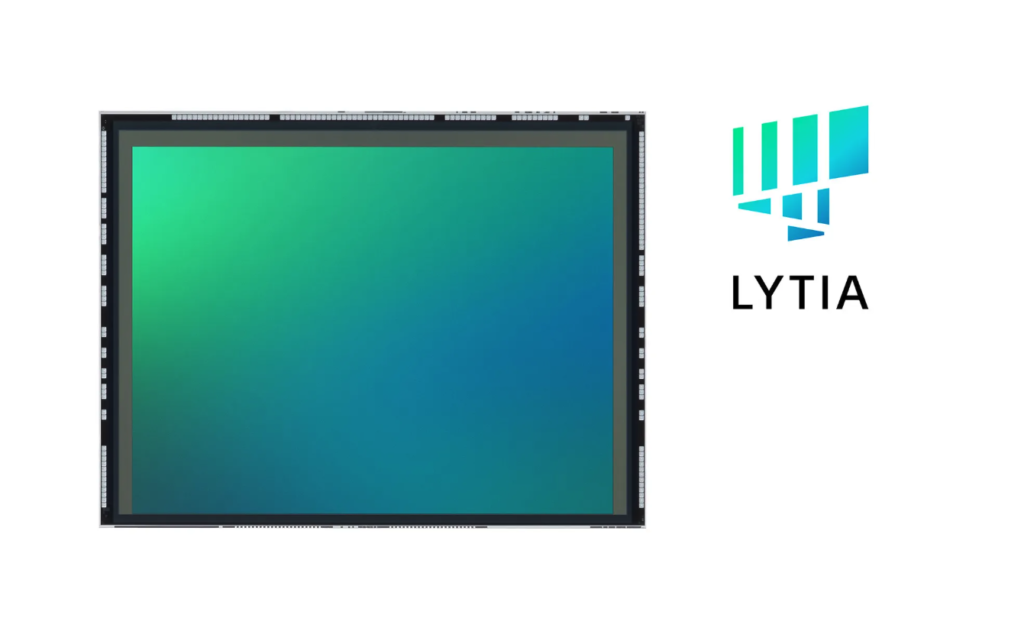
Low-light performance is also improved with Sony’s Ultra High Conversion Gain circuit technology, which reduces random noise in dark areas by approximately 30% compared to conventional sensors like the LYTIA 828.
For mobile videographers and live streaming situations, the sensor also comes with a proprietary circuit design that speeds up analog-to-digital signal conversion. This allows for lower power consumption and reduces smartphone battery drain, allowing users to record 4K video at 60 fps in full HDR.